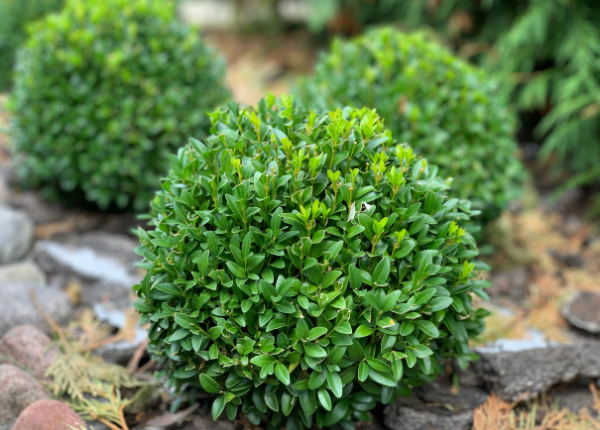
When it comes to designing your garden, shrubs play a vital role in providing structure, texture, and color. These small, versatile plants are often overlooked but can make a significant impact on your outdoor space. However, choosing the right shrubs for your garden is not a decision to be taken lightly. Once planted, they become a permanent fixture, much like trees, and are not easily replaceable in most areas. In this blog post, we will explore the questions you should ask yourself when considering shrubbery for your garden and how these unsung heroes can enhance your outdoor space.
- Where Can I Plant It? The first and foremost question you should ask when considering shrubbery is, “Where can I plant it?” Understanding the specific needs of the shrub and the conditions of your garden is crucial. Some shrubs thrive in full sun, while others prefer shade. Take note of your garden’s microclimates, including areas with varying sunlight and moisture levels. Proper placement is the foundation for a healthy and thriving shrub.
- Creating Garden Dynamics Shrubs are not just standalone plants; they can be integral in creating a dynamic garden. Do you want to hide the base of a tree, add different heights, introduce new colors, or diversify textures in your garden? Consider whether the shrub you’re eyeing is a dwarf tree, a flowering bush, or an evergreen. Each type has its unique characteristics, including foliage color, height, scent, and companion planting preferences.
For instance, combining rosemary, salvia, and a rose bush can create a visually appealing and functional arrangement. The fullness of rosemary and salvia can hide the larger stems at the base of the rose bush while allowing the beautiful blooms to shine.
- Leafy or Needle Shrubs? The decision between leafy and needle shrubs depends on your preference and the maintenance level you’re comfortable with. Leafy shrubs, while providing vibrant foliage, may require more attention in the fall when leaves need to be picked up. On the other hand, needle shrubs maintain their greenery year-round, making them an excellent choice for those who prefer a consistent look in their garden. Maintenance for needle shrubs typically involves occasional trimming.
- Mixing and Matching Garden design is an art, and shrubs are your palette. Don’t limit yourself to just one type of shrub; explore the possibilities of mixing and matching. Combining different shrubs can create a harmonious and visually interesting landscape. Consider varying heights, colors, and textures to add depth and personality to your garden.
Shrubs are the unsung heroes of your garden, providing structure, texture, and architecture to your outdoor space. Before planting a shrub, ask yourself the essential questions: Where to plant it, how it fits into your garden dynamics, your preference for leafy or needle shrubs, and the possibility of mixing and matching. With careful planning and selection, shrubs can transform your garden into a thriving, aesthetically pleasing oasis that you’ll enjoy for years to come. 🌿✨

Leave a Reply