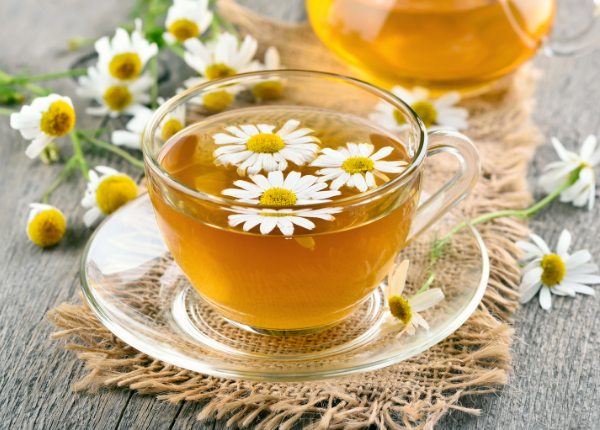
Embark on a journey of flavors and aromas by creating your very own tea garden! In this guide, I’ll explore a diverse range of herbs, flowers, and plants that can transform your back or front garden into a delightful haven for tea enthusiasts. Get ready to cultivate, harvest, and sip your way to a homegrown tea paradise.
Types of Tea Plants:
- Herbal Tea Plants:
- Chamomile (Matricaria chamomilla): Delicate flowers with soothing properties.
- Lemon Balm (Melissa officinalis): Zesty leaves for a calming infusion.
- Lavender (Lavandula spp.): Fragrant blooms add a touch of relaxation.
- Flower Tea Plants:
- Hibiscus (Hibiscus sabdariffa): Vibrant petals create a tart, ruby-hued tea.
- Rose (Rosa spp.): Fragrant petals yield a subtly sweet infusion.
- Fruit Tea Plants:
- Strawberry (Fragaria × ananassa): Sweet berries for a delightful fruity twist.
- Raspberry (Rubus idaeus): Tangy berries to enhance your tea experience.
- Other Tea Plants:
- Camellia sinensis (Tea Plant): The source of traditional black, green, and white teas.
- Peppermint (Mentha × piperita): Robust leaves for a refreshing minty tea.
- Lemon Verbena (Aloysia citrodora): Citrus-scented leaves make a zingy herbal tea.
Perennials vs. Seeds:
- Perennials: Chamomile, Lavender, Lemon Balm, Hibiscus, Rose, Tea Plant, Peppermint, Lemon Verbena, Strawberry, Raspberry.
- Collect Seeds: Some plants, like Chamomile, Lavender, and Raspberry, produce seeds that can be collected after flowering. Simply gather the dried flower heads or berries and extract the seeds.
Planting and Companion Planting:
- Companion Planting: Some plants thrive together, while others may hinder growth. For example, mint can be invasive, so it’s best to plant it in a contained area. About the mint, it’s every beginners realization that it’s invasive and wish to have known better before planting it directly in ground or in the garden beds!
Benefits of a Tea Garden:
- For Humans:
- Health and Wellness: Enjoy fresh, organic teas with potential health benefits.
- Stress Relief: A serene garden space can be a haven for relaxation and mindfulness.
- For Pollinators:
- Attracting Bees and Butterflies: Many tea garden plants are pollinator-friendly, supporting local ecosystems.
So, with your tea garden now boasting an array of herbs, flowers, and fruits, let the symphony of flavors dance on your palate! Cultivate, sip, and share the fruity, floral goodness – your backyard tea paradise awaits. 🍵🌸🍓
Happy sipping and growing! 🌱🍵✨

Leave a Reply