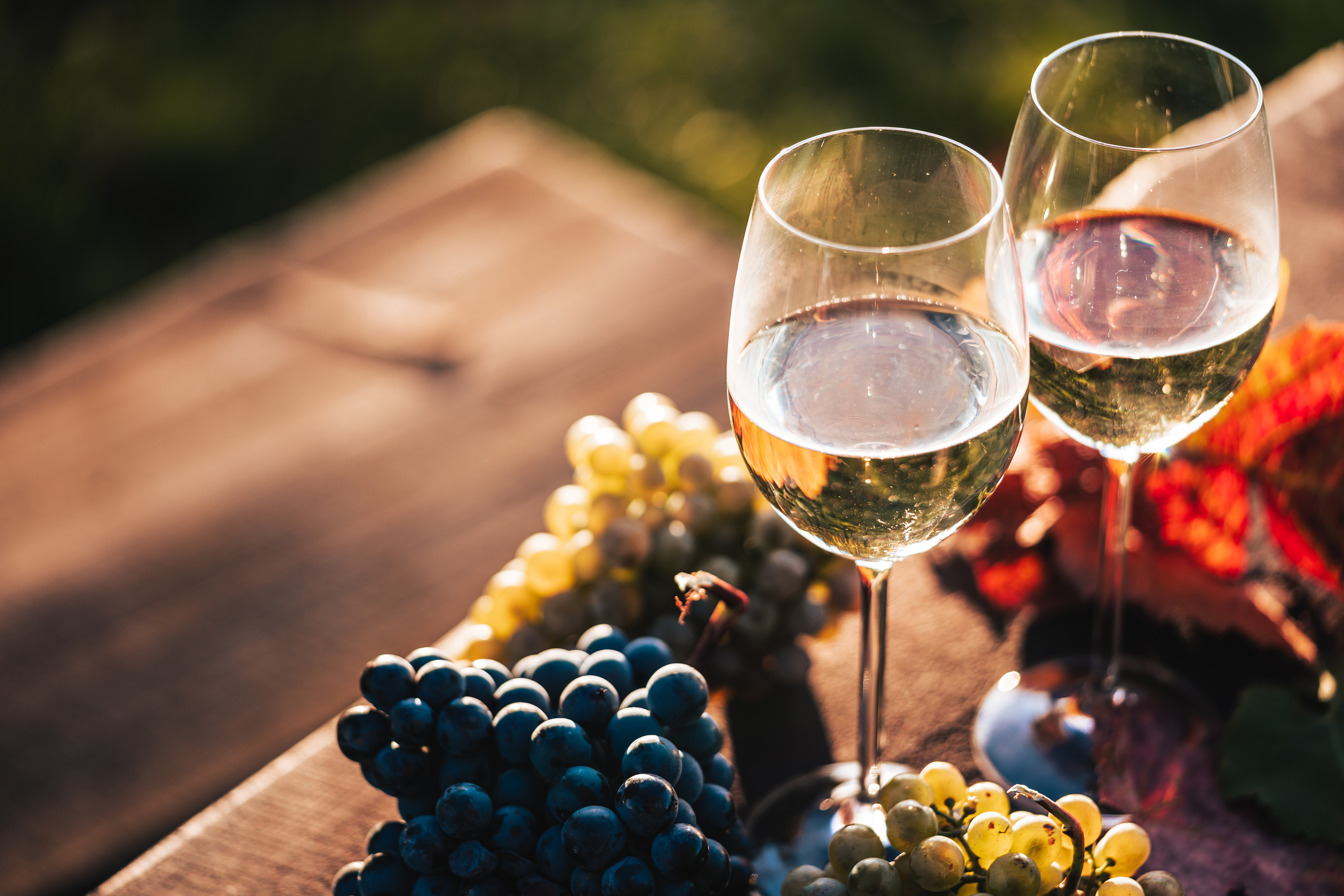
Nestled within the heart of a Zone 5 garden, grapevines can transform an ordinary space into a lush, fruitful oasis, offering not only the sweet bounty of grapes but also the promise of homemade wines and an enhanced landscape aesthetic. Whether you’re drawn to the idea of snacking on freshly picked grapes or sipping on wine crafted from your own vineyard, understanding how to select, plant, and care for grapevines in Zone 5 is essential.
Selecting Grape Varieties for Zone 5
When it comes to selecting grapevines, Zone 5 gardeners have a delightful array of options, each with its unique flavor profile and purpose.
- For Fresh Eating: Look for table grape varieties known for their sweet and juicy berries. Varieties like ‘Reliance’ or ‘Lakemont’ are excellent choices for fresh consumption, offering delicious flavors and a pleasant eating experience right off the vine.
- For Aesthetic Appeal: Ornamental grapevines, such as ‘Rogers Red’, provide stunning foliage and are perfect for adding visual interest to your garden, even though their grapes might not be ideal for eating or wine-making.
- For Wine-Making: If your dream is to venture into wine-making, select varieties known for their wine-quality grapes. In Zone 5, cold-hardy options like ‘Marquette’ or ‘Frontenac’ are ideal, capable of withstanding the chill while producing grapes perfect for fermenting into exquisite wines.
Planting and Care
- When to Plant: The best time to plant grapevines in Zone 5 is early spring, after the threat of frost has passed, allowing the plants to establish themselves before the growing season.
- Tutoring the Vines: Utilize sturdy trellises or arbors to support your grapevines. These structures not only aid in the healthy growth of the vines but also contribute to the overall aesthetics of your garden space.
- Companion Planting: Enhance your vineyard’s health and productivity by companion planting. Herbs like chives or lavender can deter pests, while flowers such as marigolds attract beneficial insects that help keep your grapevines thriving.
Harvesting Your Bounty
- When to Harvest: The timing for harvesting grapes varies depending on the variety. Generally, in Zone 5, grapes are ready for harvesting from late summer to early fall. Look for full, richly colored berries that are firm to the touch and taste sweet.
- Usage: Freshly harvested grapes can be enjoyed right off the vine, used in recipes, or even transformed into jams and jellies. For those inclined towards wine-making, the harvest presents the perfect opportunity to start the fermentation process, leading to your very own batch of homemade wine.
From Vine to Wine: How Many Plants for a Bottle?
Embarking on the journey from cultivating grapevines to savoring your homemade wine is a rewarding process that intertwines patience, care, and a touch of viniculture magic. But one critical question often arises for aspiring winemakers: How many grapevines are needed to produce a single bottle of wine?
On average, it takes about 2.5 to 4.5 pounds (1.1 to 2 kg) of grapes to make a standard 750ml bottle of wine. The exact amount can vary based on the grape variety, vine health, and growing conditions, but this range provides a good baseline. Considering that a healthy, well-tended grapevine in a productive year can yield between 15 to 20 pounds (6.8 to 9.1 kg) of grapes, a single vine can potentially produce between 3 to 8 bottles of wine.
For those looking to dabble in home winemaking, starting with a small number of vines could suffice. However, if your aspirations lean towards a more substantial production or ensuring a consistent supply, considering the planting of multiple vines is wise. For a modest personal vineyard aimed at crafting wine, planting around 5 to 10 vines could offer a delightful introduction to the world of winemaking, allowing for experimentation and learning along the way.
Ultimately, the key to a successful vineyard, even on the smallest scale, lies in understanding the care and attention your grapevines need to thrive. With each season, as you nurture your vines and hone your winemaking skills, the process of turning grapes into wine becomes not just a hobby but a passionate endeavor that yields delicious rewards.
Essential Winemaking Tools: From Grape to Glass
Transforming grapes into wine is a fascinating process that requires not only skill and patience but also a set of specific tools and equipment. Here’s a basic list of what you’ll need to start your winemaking journey:
- Crusher/Destemmer: This tool is essential for crushing your grapes and separating the stems from the fruit, a crucial step in preparing your grapes for fermentation.
- Fermentation Vessel: You’ll need a clean, food-grade container where the fermentation process will take place. Options range from glass carboys to stainless steel tanks, depending on the volume of wine you plan to make.
- Press: After fermentation, a press helps extract the wine from the grape skins, ensuring you get every last drop of your precious liquid.
- Hydrometer: This tool measures the sugar content of your grape juice, allowing you to monitor fermentation and determine the potential alcohol content of your wine.
- Thermometer: Temperature control is vital during fermentation, making a reliable thermometer a must-have to ensure your wine ferments under ideal conditions.
- Airlock and Bung: These are used to seal your fermentation vessel while allowing carbon dioxide to escape without letting air (and potential contaminants) in.
- Sanitizing Solutions: Keeping your equipment clean and sanitized is perhaps the most critical aspect of winemaking, as it prevents contamination and ensures the quality of your wine.
- Wine Bottles, Corks, and Corker: Once your wine has matured, you’ll need bottles, corks, and a corker to store your wine properly until it’s ready to enjoy.
- Siphon and Tubing: These are used for transferring wine between containers without introducing oxygen, which could spoil the wine.
- Acid Test Kit and pH Meter: These tools help you measure the acidity and pH level of your wine, which are crucial for flavor balance and stability.
- Wine Rack: A proper storage solution, like a wine rack, ensures your bottles are kept in the correct position and at the right temperature while they age.
Having these tools at your disposal will set you on the path to producing delightful homemade wine, allowing you to enjoy the fruits of your labor in the most literal sense. Remember, winemaking is both an art and a science, so patience, learning, and a bit of experimentation are all part of the fun and rewarding process.
Feathered Foes & Friends: Managing Birds in Your Vineyard
Birds can play a dual role in the vineyard ecosystem, acting as both beneficial allies in controlling pest populations and as potential threats to your grape harvest. As you look forward to the fruits of your labor, understanding how to manage avian visitors is crucial for protecting your vines while maintaining the natural balance. Here are strategies to safeguard your grapes without harming the bird populations that also call your garden home.
- Netting: The most effective method to prevent birds from accessing your grapes is by using bird netting. Properly installed netting covers the vines, creating a physical barrier that discourages birds from feasting on your fruits.
- Visual Deterrents: Reflective tape, scarecrows, and even old CDs can be hung around the vineyard to scare birds away. These objects move in the wind and reflect light, creating an environment that is less appealing to birds.
- Auditory Deterrents: Noise-making devices like propane cannons, ultrasonic deterrents, or even recordings of predator calls can help scare birds away. However, their effectiveness may diminish over time as birds become accustomed to the sounds.
- Habitat Modification: Limiting access to perching and nesting sites near the vineyard can reduce the attractiveness of the area to birds. Trimming trees and bushes or using bird spikes can discourage birds from settling nearby.
- Decoy Predators: Installing decoys, such as fake owls or hawks, can help deter birds. For the best effect, move these decoys around regularly so birds don’t grow used to them.
- Companion Planting: Growing plants that attract birds away from your grapes or that are more appealing to pests can help manage both bird and insect populations in your vineyard.
While birds are attracted to the bugs living among the vines and the ripe fruits of your labor, integrating these strategies can help ensure that you enjoy the full bounty of your vineyard. Remember, the goal is to coexist with nature, using methods that deter rather than harm, maintaining the delicate balance within your garden ecosystem.
Incorporating grapevines into your Zone 5 garden not only enhances its beauty and diversity but also offers the rewarding experience of growing your own fruits and venturing into the art of wine-making. With careful selection, proper care, and a bit of patience, your garden can yield an abundance of grapes that delight the senses and celebrate the bounty of the season.


Leave a Reply