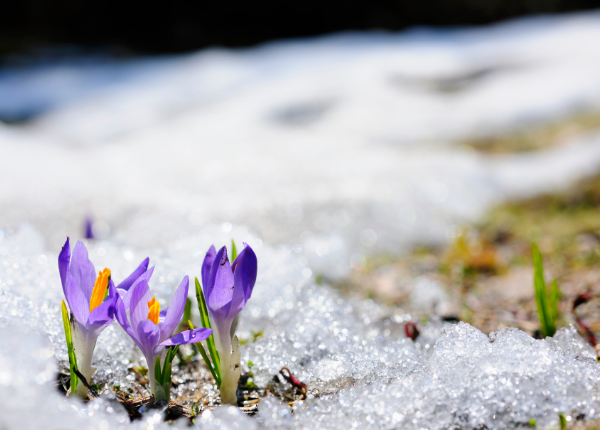
As the chill of winter thaws and gives way to the warmth of spring, gardens begin their most dramatic transformation. At Le Potager Rêver, while I cherish my collections of lilacs, fruit trees, alliums, and tulips, I also recognize the wide array of possibilities that spring blooms bring to any garden. This season should be a spectacle of growth and color, where the ephemeral beauty of tulips can be succeeded by the enduring charm of hydrangeas and the bold statements of alliums among roses. In this guide, I explore not only the blooms I nurture but also those you might consider adding to your garden. From understanding the fleeting brilliance of spring flowers to planning for continuous beauty through the seasons, let’s delve into making the most of every bloom cycle.
When to Plant Spring Blooms
- Lilac Bushes: Best planted in the fall, but early spring is also suitable before the ground thaws completely. They bloom in late spring.
- Bulbs and Garlic:
- Spring-Flowering Bulbs: Such as tulips and alliums, should be planted in the fall, generally six weeks before the ground freezes. This timing allows the bulbs to establish roots before the winter. They bloom early to mid-spring.
- Garlic: Also planted in the fall, garlic benefits from the cold of winter to develop its bulbs, ready to be harvested in the late spring or early summer.
- Other Trees and Bushes: Plant in early spring or fall for best root development before the heat of summer or the cold of winter sets in.
When They Bloom
- Lilac Bushes: Late spring.
- Tulips: Early to mid-spring, depending on the variety.
- Other Trees and Bushes: Blooming times vary, but many flower in early to mid-spring, like cherry and apple blossoms.
Post-Bloom Care
- Deadheading: Remove spent flowers (e.g., tulips and lilacs) to promote plant health and, in some cases, additional blooming.
- Pruning: For bushes and trees, prune immediately after blooming to shape the plant and encourage future blooms.
- Fertilization: Apply a balanced fertilizer after blooming to replenish nutrients.
Important Care Notes for Lilacs:
- Deadheading and Pruning:
- Deadheading: After lilacs bloom, it’s essential to deadhead or remove the spent flowers. Be cautious not to cut too far down on the branches that hold this year’s blooms, as next year’s flowers will develop on the old wood. Incorrect or excessive cutting can inadvertently remove the developing buds, thereby preventing blooms in the following year.
- Pruning: Lilacs should be pruned carefully. If pruning is necessary to shape the plant or remove dead wood, do not remove more than a third of the growth at one time. Over-pruning can stress the plant and reduce flowering. Prune right after the flowers have faded to ensure the plant has time to develop the next year’s buds.
Companion Planting
- Lilacs: Plant with low-growing spring bulbs like tulips or daffodils which will bloom as lilacs start to leaf out.
- Tulips: Companion with annuals that can fill in as tulip foliage dies back, such as pansies or violas.
List and Family of Common Spring Blooms
- Lilac (Family: Oleaceae) – Syringa vulgaris.
- Tulip (Family: Liliaceae) – Tulipa spp.
- Cherry Blossom (Family: Rosaceae) – Prunus spp.
- Apple Blossom (Family: Rosaceae) – Malus domestica.
- Daffodil (Family: Amaryllidaceae) – Narcissus spp.
Additional Spring Blooms and Their Details
- Lily of the Valley (Family: Asparagaceae) – Small, fragrant, bell-shaped flowers that bloom in late spring. Prefers shaded areas.
- Hyacinth (Family: Asparagaceae) – Intensely fragrant blooms in early to mid-spring. Plant bulbs in the fall.
- Dwarf Russian Almond (Family: Rosaceae) – Early spring bloom with vibrant pink flowers.
- Vernal Witch Hazel (Family: Hamamelidaceae) – One of the earliest flowering shrubs, showing yellow to red flowers in late winter to early spring.
- Bush Cherry (Family: Rosaceae) – Flowers in early spring, followed by small cherries.
- Daphne (Family: Thymelaeaceae) – Known for its lovely scent and beautiful flowers blooming in late winter to early spring.
- Pearlbush (Family: Rosaceae) – Striking white flowers in mid-spring.
- Flowering Quince (Family: Rosaceae) – Bright ornamental flowers in early spring.
- Japanese Pieris (Family: Ericaceae) – Cascades of bell-shaped flowers in early spring.
- Fruit Trees (Varied Families) – Most, such as apple (Malus domestica), pear (Pyrus), and cherry (Prunus), bloom in early to mid-spring with flowers that precede the fruits.
As the spring season unfolds, the vibrant blooms and lush greenery not only transform our gardens into a spectacle of colors but also play a crucial role in the local ecosystem. The plants featured in this guide, from the fragrant lilacs to the stately alliums, do more than just beautify our surroundings. They are vital to supporting local biodiversity. By providing essential nectar and pollen, they attract a variety of pollinators such as bees, butterflies, and birds. These interactions are fundamental to the health of our environment, aiding in pollination and ensuring the survival of many plant species.
Moreover, understanding the sequential blooming of different plants helps gardeners create a garden that remains vibrant from spring through fall. This not only maximizes the visual appeal of your garden but also ensures a continuous supply of resources for local wildlife. By choosing to plant a variety of species, gardeners can enjoy the ever-changing tapestry of colors and textures, while contributing positively to the local ecosystem.
In embracing the cycle of growth and bloom, we not only enhance our own living spaces but also contribute to the well-being of our planet. So, whether you are a seasoned gardener or a novice eager to cultivate your green thumb, remember that each plant you nurture adds a thread to the intricate tapestry of nature. Let’s continue to garden with intention and joy, creating spaces that thrive with life and beauty.

Leave a Reply