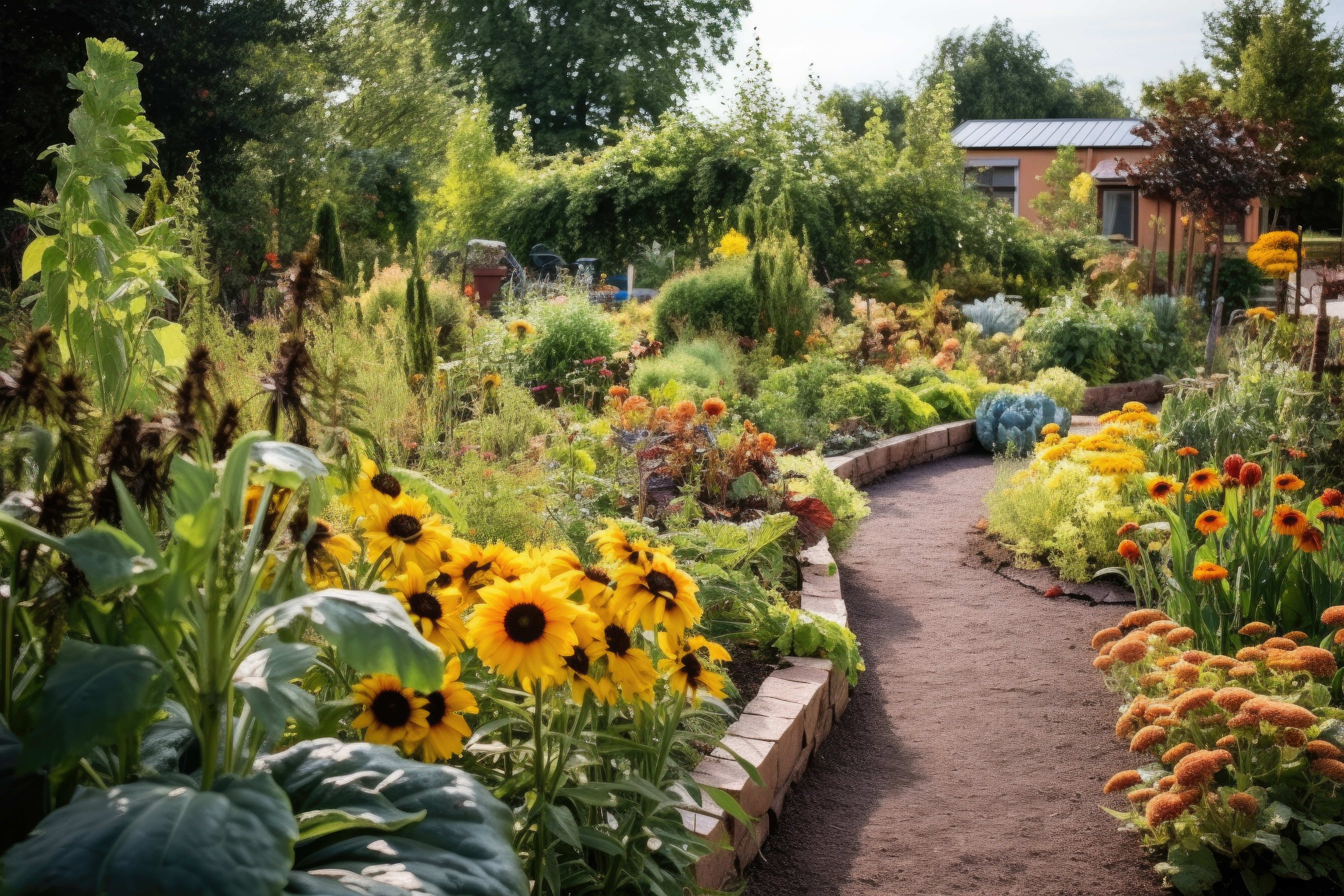
The Diversity Advantage in Gardening
In the world of gardening, the debate between polyculture and monoculture methods continues to grow. While monoculture focuses on planting a single crop in a given area, polyculture introduces a vibrant tapestry of varied plants in the same space. This approach not only maximizes your garden’s output but also enhances its ecological balance. 🌾🌿
What is Polyculture?
Polyculture gardening is the art of cultivating multiple crop species in the same space. This method contrasts sharply with monoculture, where only one type of plant is grown. By integrating a diverse mix of plants, polyculture gardens thrive, benefiting from natural processes that increase biodiversity, improve soil health, and boost overall yields—all while minimizing the need for chemical inputs. 🐝🌼
Benefits of Polyculture Gardening
- Increased Biodiversity: A variety of plants attracts and supports a wider range of insects, birds, and other organisms, which contributes to a healthier garden ecosystem.
- Enhanced Soil Health: Different plants have varied nutrient needs and rooting patterns, which helps in maintaining soil fertility and structure.
- Higher Yields: With plants maturing at different times, polyculture gardens can produce more food continuously throughout the season.
- Natural Pest Control: The diversity of plants can confuse and deter pests, reducing the likelihood of severe infestations.
- Efficient Use of Space: Polyculture allows you to grow more in less space, making it ideal for small gardens and urban areas. 🏡
How to Start a Polyculture Garden
Starting a polyculture garden is straightforward:
- Prepare Your Space: Begin with any garden bed or container by adding a layer of organic compost to nourish the soil.
- Sow a Mix of Seeds: In mid-to-late April, scatter a diverse array of seeds that will produce at different stages. For example, start with rocket for early harvest, followed by mixed lettuce, and then add rainbow chard, spring onions, beetroot, parsley, carrots, chicory, and parsnips for later yields.
- Add Structures for Climbing Plants: Incorporate trellises or stakes to support climbing plants like peas, beans, and cucumbers.
- Include Beneficial Flowers: Plant flowers such as calendula and marigolds to attract pollinators and beneficial insects.
- Regular Care: Gently rake the seeds into the soil and water regularly to ensure optimal growth.
A Garden of Plenty
Polyculture gardening is a rewarding approach that promotes a sustainable, productive, and beautiful garden. By choosing diversity, you can enjoy a continuous harvest and contribute to a healthier ecosystem right in your backyard. Happy gardening and don’t forget to follow for more gardening tips and tricks! 🌱🎉

Leave a Reply